
Thinking about joining UNESCO by 2026? Peace, lasting growth, and cultural exchange sit at the heart of what they do – landing a role here might just fit your goals. Different positions open doors to work that reaches far beyond borders. Here’s a look, step by step, at what awaits: the kinds of jobs on offer, ways to submit your application, even how life unfolds once you’re part of the team. This is not speculation – it’s grounded insight into building your path there.
Read Also: UNESCO
Working at UNESCO in 2026
A role atUNESCO Jobs 2026 goes beyond salary. Working here means joining efforts worldwide to improve lives. Your work helps fight poverty, support learning, and leave marks on history through culture. Meaning fills the days, yet rewards grow deeper still. Each task ties into a larger change, quietly building impact across borders.
Starting in 2026 alongside UNESCO means joining people who think deeply and widely, drawn from every corner of the planet. Being inside this group puts you where big questions meet real action. Instead of just routines, there are paths forward through learning, space to grow skills, and time that belongs to life beyond work. Connections stretch far, built slowly across borders, because distance doesn’t block shared purpose.
UNESCO Job Types 2026
Finding your place at UNESCO might mean stepping into a lasting role, trying out short-term work, or joining as an intern. While one path builds deep involvement, another brings fresh challenges every few months – each helping move the organization’s worldwide goals forward in its own way.
Permanent Positions: Full-time Careers at UNESCO
Working at UNESCO forever could mean handling big tasks or helping out day-to-day. Longevity comes with room to move up, now and later. Picture shaping projects, digging into studies, or guiding decisions behind the scenes. When going after one of these spots, let what you’ve studied, where you’ve worked, and why you care about UNESCO’s work show through clearly.
Temporary and Consultancy Roles
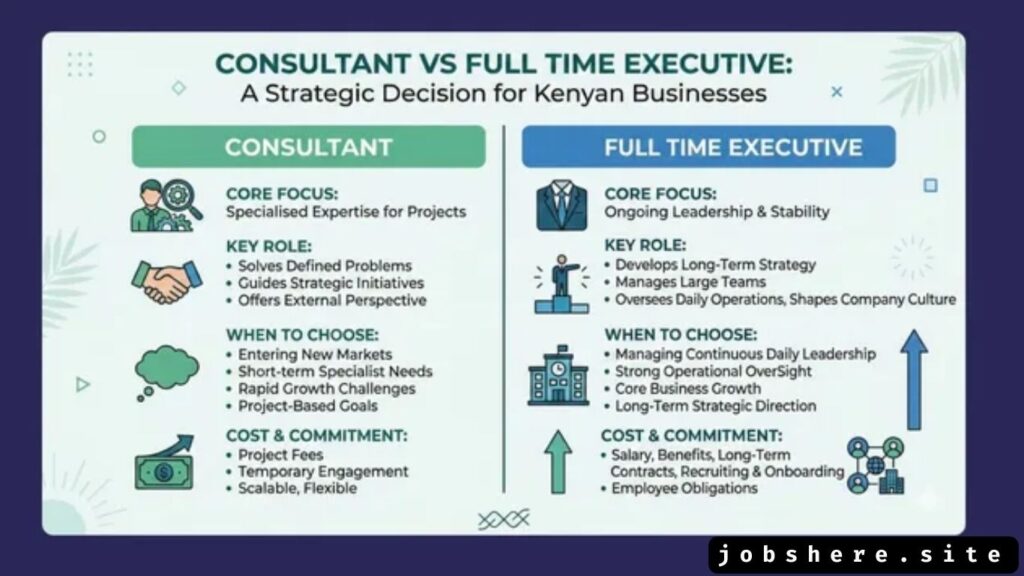
When tasks need doing, temporary jobs or consulting gigs step in. Projects like these fit well with people who know their way around one particular area. Flexibility pulls some toward brief stints instead of long commitments. Picture yourself focused on green solutions, shaping school programs, or preserving old traditions – each path opens doors. Skills find matches even if the timeline stays tight.
Internships and Volunteer Positions
Starting? Try interning or volunteering at UNESCO. Usually, for students, internships give real practice across different projects. While not in school anymore? Volunteer roles let people help part-time while learning about global efforts. One leads straight into doing tasks. The other builds insight slowly through shared effort.
UNESCO Job Criteria 2026
Getting hired by UNESCO isn’t about passion alone. To rise above others, certain academic and work qualifications must be met.
Educational Qualifications
A background in learning matters most when applying to UNESCO. For some positions, a doctorate might be expected; others ask only for an undergraduate degree. Think global ties, earth systems, teaching methods, shared traditions, fairness in society – these topics come up often. Matching your studies to what UNESCO does can set you apart. What counts? How close does your training fit their mission?
Essential abilities and background needed
Most roles at UNESCO require some years of working in related fields, not just academic qualifications. Speaking more than one language helps, particularly if it’s English, French, or Spanish. For certain positions, a background in managing projects, conducting studies, or shaping policies matters too. Working abroad or in diverse regions can make an applicant stand out. What counts most is hands-on involvement where global challenges meet practical solutions.
Personal Qualities
Passion matters most when it comes to aligning with UNESCO’s purpose. Success often follows those who adjust easily, collaborate across cultures, while expressing ideas clearly. A fit emerges naturally for individuals open to change, ready to act, driven by impact. Working here feels right when curiosity leads, initiative shows up, and contribution is the goal.
Applying for UNESCO Jobs
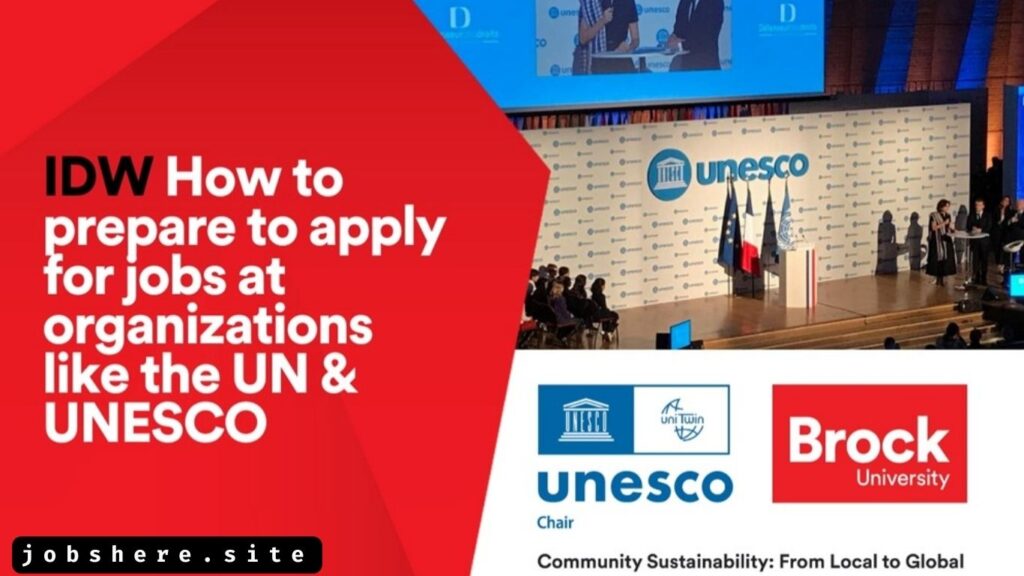
Choosing a path at UNESCO means stepping into how applications work. The next move unfolds as paperwork begins, each form a doorway. Pages fill out when focus narrows on the steps ahead. Movement starts slow, then builds without fanfare. Details matter most once the journey shifts inward. Process replaces thought, action follows intent. Each section completed pulls closer to what comes after.
Researching Job Openings on the UNESCO Careers Portal
Head over to UNESCO’s main jobs website first. Openings come up often across areas like teaching, research, heritage, and media work. Use your hometown, talents, or passions to sort through available roles – this helps spot ones you’re suited for.
Tailoring Your Application: Resume & Cover Letter Tips
Your first chance to make an impact comes through what you submit. Tailored resumes catch attention by focusing on skills and roles that matter for the job. International exposure matters – show where you’ve worked abroad, along with languages spoken. Projects tied to UNESCO’s goals should be clearly pointed out. What often makes a difference is the cover letter; treat it as a space to speak directly about caring deeply for their purpose. Let it show how your strengths connect to real outcomes they care about.
Interview Preparation: What to Expect
After sending your application, an interview usually follows. Look into what UNESCO has worked on lately, along with its major worldwide efforts. Think about how what you know could help meet their aims; let them see you care about the work. These talks might happen online or face-to-face, based on where the job is and its nature.
Navigating UNESCO’s Hiring Process Through Recent Trends
Getting hired at UNESCO takes time – staying calm helps. Not every role moves at the same pace, yet each usually involves several steps, like document checks, tests, or talks. Since many people want these roles, showing real skill and belief in what UNESCO stands for makes a difference.
UNESCO collaboration 2026 career growth
Starting a job here is just the beginning. From that point on, paths open through learning chances, growth steps, and every role holds space for what comes next. New skills are built in workshops, each project adding weight to progress made quietly over time.
Professional Training and Development Programs
Starting fresh each day, UNESCO backs its team with learning opportunities that stretch across many topics. One moment it could be about guiding others well, then shifting into sharpening hands-on abilities. Sometimes the focus lands on working smoothly between nations through focused sessions. Growth shows up quietly when people step into these moments without rushing past them.
Networking and Global Exposure
Meeting people from around the world shapes much of what makes a UNESCO role stand out. Working closely with specialists across different backgrounds opens up fresh ways of thinking. Exposure to varied viewpoints sharpens how you solve problems and approach tasks. Events spanning continents connect individuals who might never have crossed paths otherwise. Joint efforts on shared goals build experience that stays useful far beyond any single project.
Career Progression Pathways
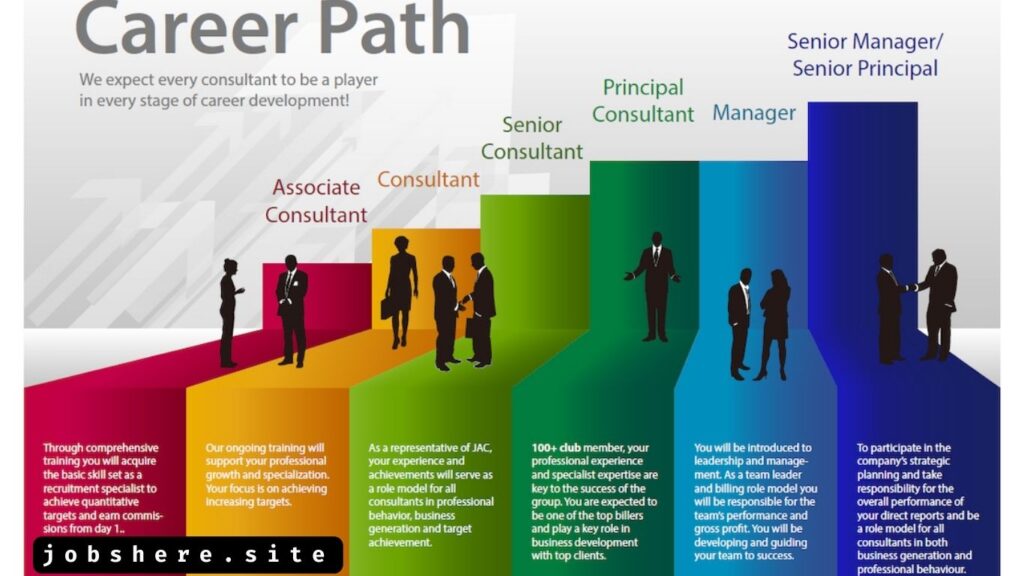
Starting at UNESCO, paths forward open step by step. With time, doing solid work leads to bigger tasks, showing what you can handle. Moving ahead happens when your efforts prove consistent and strong. Staying focused over the years fits well here, where growth follows dedication. Strong results tend to bring new titles, deeper involvement, and greater scope down the line.
Working With UNESCO: Common Issues and Approaches
Besides the perks, working at UNESCO comes with hurdles. Knowing them might make moving through your job easier.
Cultural and Geopolitical Challenges
Every day at UNESCO brings new faces, fresh opinions, and different rhythms. Navigating tangled situations often happens while shaping worldwide efforts. One must listen closely and respond gently when cultures brush against each other. Smooth words, quiet patience help bridges form where distance once stood.
Workload and Pressure
Working at a global group means fast turns and big demands. Still, staying well matters just as much as getting tasks done. Without sharp planning or firm limits, stress piles up quickly. A steady rhythm keeps pressure low while work moves forward.
Adapting to Organizational Change
A twist in direction? That’s normal when big groups evolve. Moving smoothly through shifts means keeping options wide, especially when goals reshape themselves. New work pops up – being ready to step into it makes all the difference.
The Future Of UNESCO Employment Trends After 2026
When things shift around us, UNESCO’s attention will too, following new worldwide challenges. Expect a strong push on green living, tech changes, plus learning chances for everyone soon. With each twist in direction, picking up fresh abilities matters – keep track of where the group is headed next. What counts now might not later, so watch closely how efforts reshape over time.
UNESCO Job Insights for 2026
Dreams take shape at UNESCO, where purpose meets work across borders. From long-term jobs to short assignments or hands-on learning stints, paths open in many directions. Qualifications matter – match what they ask for before moving forward. Shape each resume as it speaks only to one role, not every possible one. Interview prep might mean late nights; treat them like real conversations, not tests. Growth shows up after starting – not just titles, but deeper involvement. Careers here grow best when effort pairs with genuine belief in shared goals. By 2026, being part of this network could mean shaping change that lasts beyond any single project.
Also Check: Farm Worker Jobs in Australia 2025-2026
Frequently Asked Questions
How can I apply for internships at UNESCO?
Over at UNESCO’s job website, internship spots show up often. To join, send in your resume along with a note explaining your interest – include school records or work history if they fit.
How much might someone earn working for UNESCO by 2026?
Depending on the job, where it is, plus how much you’ve done before, pay changes at UNESCO. Still, every role gets a solid package when it comes to money and extras.
Sure thing – what about age limits when going after UNESCO positions?
Most roles at UNESCO don’t set a strict age limit. Still, what matters is whether you match the skills and background listed for each opening.
Check their official website now and then, since updates appear there first.?
Following UNESCO on social media helps too – posts often mention fresh opportunities. Signing up for email alerts means news reaches you directly. Some people ask contacts inside the organization, just to hear early. Others revisit the careers page every few weeks, quietly watching for changes.
Stay informed about new job opportunities by signing up for UNESCO’s alert system. Their careers website gets fresh postings now and then – visiting it often helps too.?
Maybe you will find remote roles at UNESCO by 2026. Working from afar could depend on the pproject’sneeds. Some jobs might allow home setups, while others need location presence. It hinges on what the position demands that year. Flexibility may vary across departments.
Working from home might be possible in certain UNESCO jobs, particularly temporary consultant spots. Look into each posting carefully to know what applies.
F. What are the benefits of working in a UNESCO field office?
Out there, field offices put you right into the action across different areas, linking daily work with nearby groups. Because of this setup, putting UNESCO’s worldwide plans into practice happens where it matters most.